Abstract
This paper examines the multidimensional marginalization of the Shughni Ismaili community in Afghanistan following the Taliban’s return to power in August 2021. Based on qualitative data from 70 interviews (35 inside Afghanistan; 35 in Tajikistan and Pakistan), the study identifies patterns of religious discrimination, cultural erasure, political exclusion, and gender-based violence. The findings indicate layered vulnerabilities due to the community’s distinct religious, linguistic (Shughni), and cultural identity. Secondary sources from international human rights organizations corroborate these patterns at the national level.
Introduction
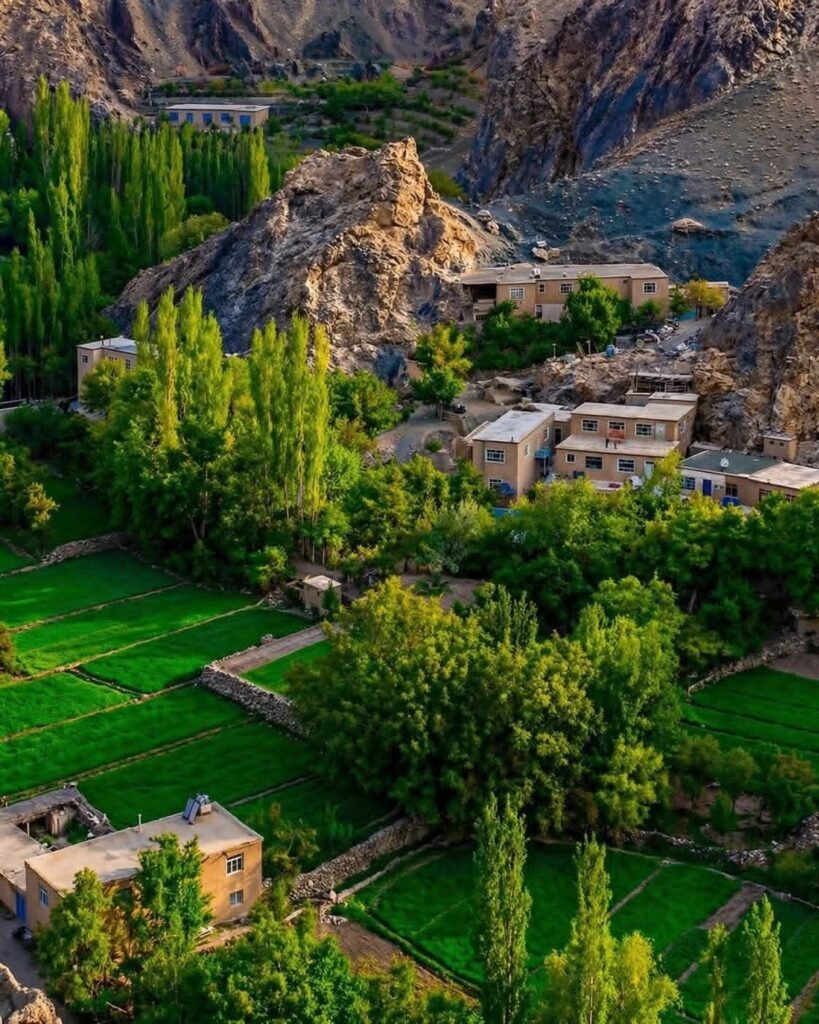
The Shughni Ismailis constitute a distinct ethno-religious minority primarily residing in the mountainous regions of Badakhshan in northeastern Afghanistan. They are characterized not only by their adherence to Ismaili Islam but also by their unique linguistic identity (Shughni language) and rich cultural traditions that differentiate them from other communities in Afghanistan.
Historically, minority groups in Afghanistan have faced varying degrees of marginalization; however, the return of the Taliban to power in August 2021 has significantly intensified restrictions on religious freedom, cultural expression, and access to public life. While much of the international attention has focused on women’s rights and general human rights deterioration, the specific experiences of smaller and more isolated minorities such as the Shughni Ismailis remain largely under-documented and insufficiently understood.
This research seeks to address that gap by providing an in-depth, evidence-based account of the lived realities of Shughni Ismailis under Taliban rule. It explores how overlapping factors religion, language, geography, and political exclusion interact to produce compounded forms of vulnerability.
By combining primary qualitative data from 70 interviews with secondary analysis of international human rights reports, this study aims to amplify marginalized voices and contribute to a more inclusive understanding of human rights conditions in Afghanistan. The paper also seeks to inform policymakers, human rights advocates, and international institutions about the urgent need to recognize and respond to the specific challenges faced by this community.