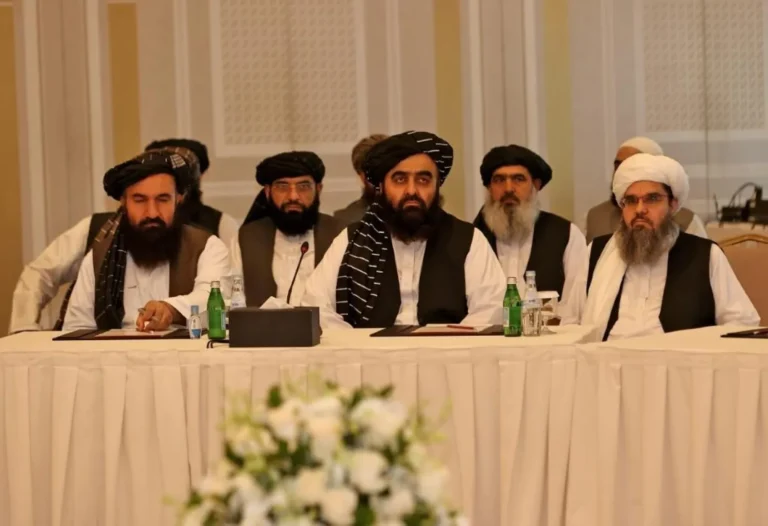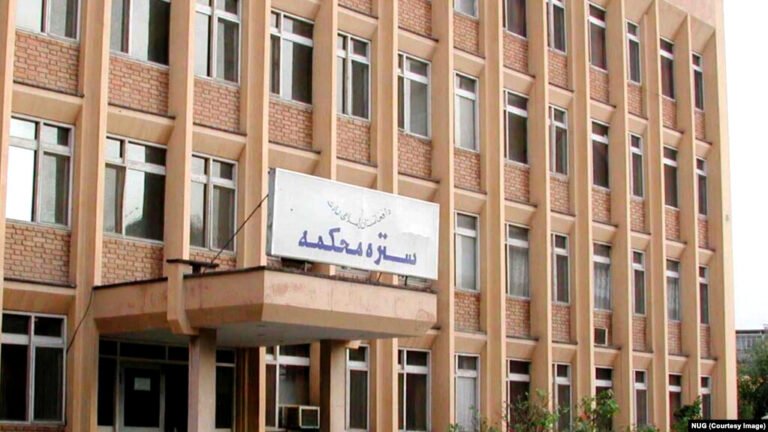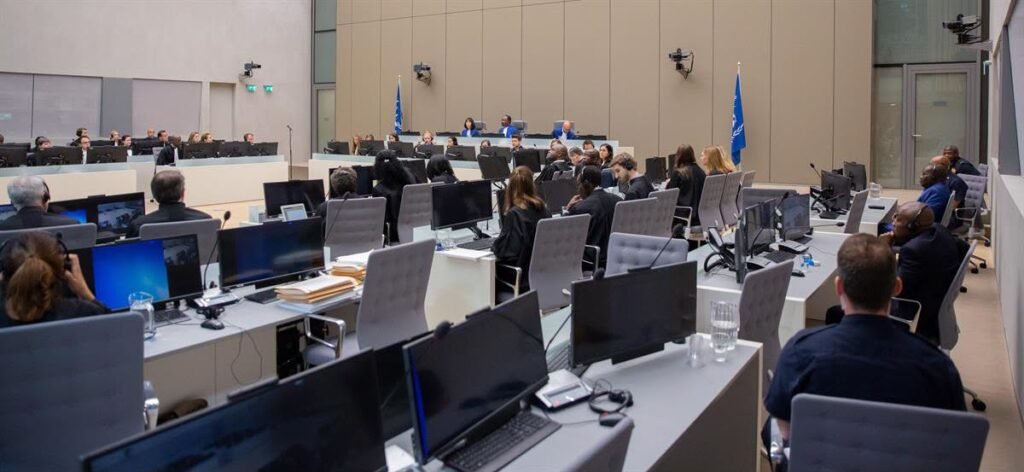
Dialogue Hub for Common Ground welcomes the recent decision of the International Criminal Court (ICC) to unseal four arrest warrants in the Afghanistan situation. We consider this an important development in the long struggle for accountability and justice for victims of serious international crimes in Afghanistan.
For millions of Afghans, the past five years have not been a period of ordinary political change. They have been marked by systematic restrictions, violence, persecution, and the dismantling of fundamental rights and freedoms. Women and girls, human rights defenders, journalists, civil society activists, minorities, and political opponents have all faced different forms of repression and intimidation.
The ICC decision matters because it reinforces a fundamental principle: serious crimes cannot simply disappear with time, and those responsible must not assume that political power can provide permanent protection from accountability.
At the same time, legal accountability must remain centred on the experiences and rights of victims. Behind every documented violation is a person, a family, and a story that deserves to be heard and preserved. Many victims and witnesses inside Afghanistan continue to face serious risks and have limited or no access to justice.
For this reason, Dialogue Hub believes that the international community must now strengthen efforts to document, preserve, and independently verify evidence of serious human rights violations and international crimes across Afghanistan. Evidence that is not protected today may be impossible to recover tomorrow.
We further believe that accountability must not be limited to those who hold the highest positions. Where credible evidence exists, individuals at every level who may have participated in serious crimes must be subject to appropriate investigation and, where legally justified, prosecution. Justice must be based on evidence, due process, and the rights of victims—not on political considerations.
The ICC process is an important avenue for accountability, but it cannot be the only one. National jurisdictions, universal jurisdiction mechanisms, independent investigative initiatives, and other legitimate accountability pathways must also be strengthened so that victims are not left waiting indefinitely for justice.
Dialogue Hub also stresses the importance of protecting victims, witnesses, and human rights defenders who contribute to documentation and accountability efforts. Their safety and dignity must be treated as an essential part of any justice process.
We call on the international community to turn this important legal development into sustained action: to preserve evidence, support independent documentation, protect witnesses, strengthen accountability mechanisms, and ensure that victims have meaningful opportunities to participate in processes concerning the crimes committed against them.
Justice for Afghanistan cannot be selective, temporary, or dependent on political circumstances. It must be grounded in truth, evidence, dignity, and the equal application of the law.
Dialogue Hub for Common Ground remains committed to documenting human rights violations, amplifying the voices of victims and survivors, and supporting credible efforts to ensure accountability in Afghanistan.
The voices of victims must be preserved.
The evidence must be protected.
And justice must be pursued.
Dialogue Hub for Common Ground
October 2026