
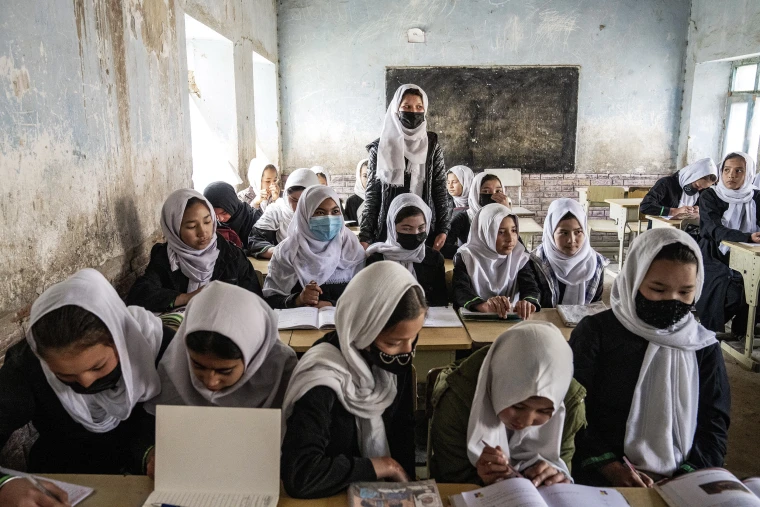
The Dialogue Hub for Common Ground expresses grave concern regarding the continued
enforcement of restrictions preventing girls from accessing secondary education and women from accessing higher education.
This policy constitutes a prima facie violation of multiple binding and customary international legal obligations, including:
- Universal Declaration of Human Rights (UDHR), Article 26 – Right to education
- International Covenant on Economic, Social and Cultural Rights (ICESCR), Article 13 – Right to education and equal accessibility to higher education
- Convention on the Rights of the Child (CRC), Articles 28 and 29 – Right of the child to education
- CEDAW (Convention on the Elimination of All Forms of Discrimination Against Women), Articles 10 and 2(f) – Obligation to eliminate discrimination in education
Legal Characterization:
The exclusion of women and girls from education constitutes:
· Systemic gender discrimination (CEDAW Art. 2)
- De facto segregation in access to public services
- Potentially, if sustained, a serious violation of peremptory norms (jus cogens) related to non-discrimination.
International System Impact:
- Violation of Sustainable Development Goal 4 (Quality Education)
- Structural degradation of human capital and state capacity
- Long-term breach of obligations under ICESCR progressive realization doctrine (Art. 2(1))
DHCG Position:
The Dialogue Hub for Common Ground classifies this measure as a systemic rights-restrictive policy requiring sustained international legal monitoring through:
- UN Human Rights Council Special Procedures
- CEDAW Committee periodic review escalation
- Potential UNSC thematic briefing on gender-based educational exclusion