Skip to content

On the Human Rights Implications of Proposed EU–Taliban Engagement in Brussels: 

Statement 1 attachment

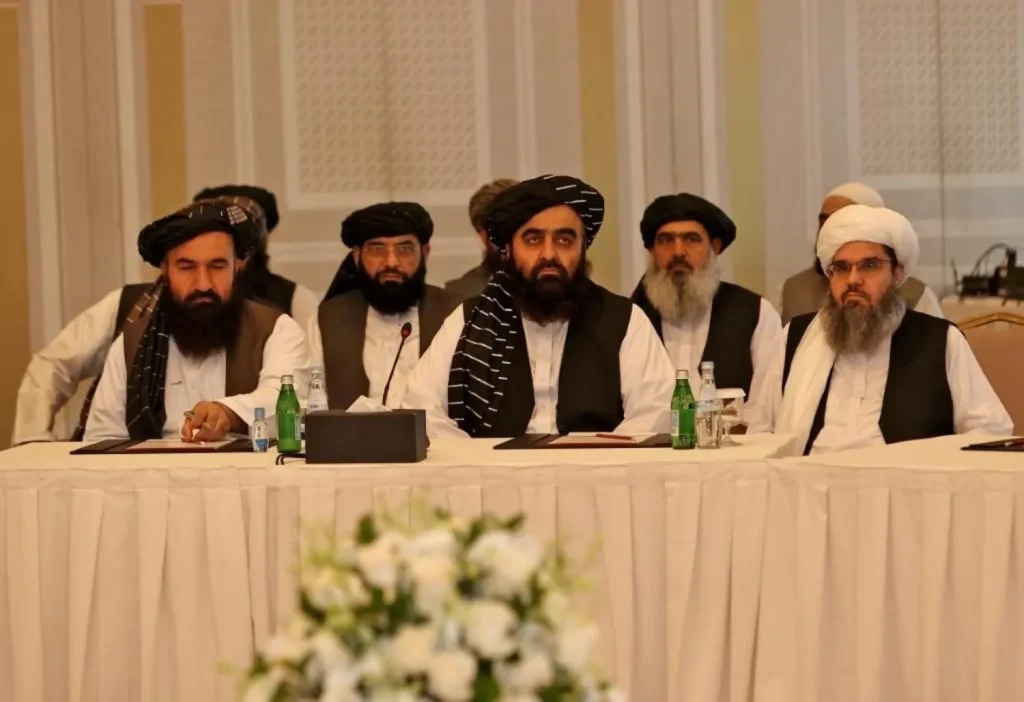
Dialogue Hub for Common Ground expresses serious concern regarding recent reports indicating that the European Union and several of its Member States are preparing to hold meetings with representatives of the Taliban in Brussels. These discussions are reportedly intended to address the return and removal of Afghan nationals to Afghanistan.

While Dialogue Hub recognises the administrative challenges faced by States in managing migration and asylum systems, any policy response must remain fully consistent with international human rights obligations and the protection of individuals at risk.

1. Human Rights Situation in Afghanistan

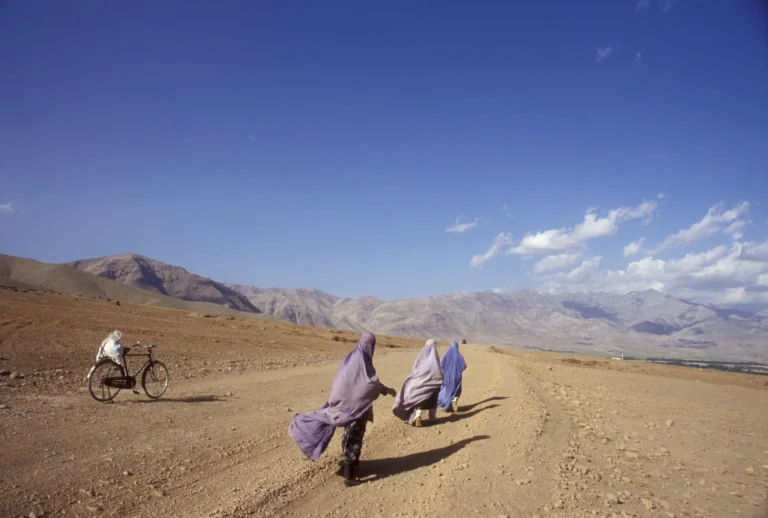
The human rights situation in Afghanistan remains deeply concerning. Multiple United Nations bodies and international organisations have documented widespread and systematic restrictions on fundamental freedoms, particularly affecting women and girls, ethnic and religious minorities, former government employees, and civil society actors.

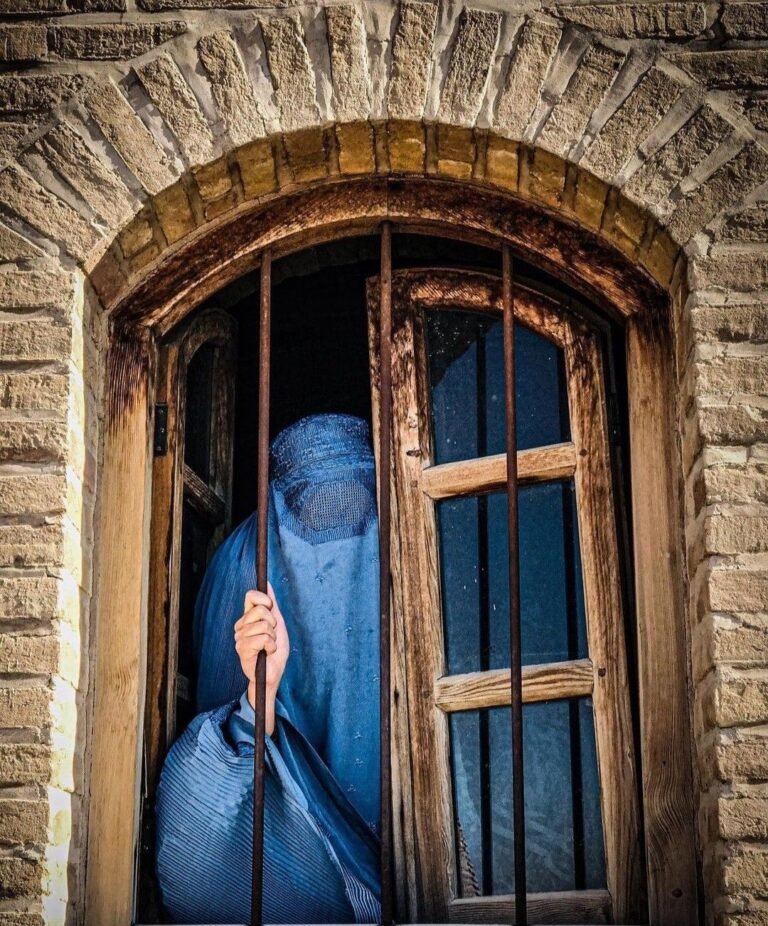
Reported patterns of abuse include arbitrary detention, ill-treatment, severe limitations on education and employment for women, restrictions on freedom of movement, and in some cases public corporal punishment. These conditions create a context in which certain individuals may face serious harm if returned.

2. The Principle of Non-Refoulement

International law is clear that no individual may be returned to a country where there is a real risk of torture, persecution, or other serious human rights violations. This principle of non-refoulement is absolute and does not depend on nationality, migration status, or criminal history.

It requires careful, individualised assessment of risk in every case. In the current context of Afghanistan, where documented risks are widespread and well-established, any large-scale or accelerated returns raise serious legal and ethical concerns.

3. Concerns Regarding Engagement with the Taliban

Dialogue Hub notes that recent diplomatic and technical contacts between European officials and Taliban representatives have increasingly focused on migration cooperation, including identification procedures and return arrangements.

While such contacts are often described as technical in nature, they may carry broader political implications. In practice, they risk contributing to the gradual normalisation of relations with a de facto authority that remains responsible for serious and ongoing human rights violations.

There is a legitimate concern that operational cooperation on returns may be interpreted as a form of de facto recognition, even if formal recognition is not intended. This creates a complex tension between migration management objectives and the EU’s stated commitment to human rights accountability.

4. Risks for Returnees

Available evidence from UN agencies and independent monitoring bodies indicates that individuals returning to Afghanistan, particularly those with perceived links to former state institutions, civil society, or vulnerable social groups, may face a range of serious risks.

These include arbitrary arrest, intimidation, ill-treatment, and in some cases prolonged detention. Women and girls face additional layers of restriction and vulnerability, including structural barriers to education, mobility, and participation in public life.

In this context, forced returns without robust safeguards and individual assessment may expose people to foreseeable harm.

5. Recommendations

Dialogue Hub respectfully calls on European institutions and Member States to:

  • Suspend any forced returns to Afghanistan until there is clear and demonstrable improvement in the human rights situation. 
  • Ensure that any engagement with Taliban representatives is strictly limited, transparent, and explicitly does not imply political recognition. 
  • Maintain full adherence to the principle of non-refoulement in all migration and asylum decisions. 
  • Strengthen protection pathways for Afghan nationals at risk, including resettlement and humanitarian admission programmes. 
  • Prioritise human rights conditions as a core element of any future dialogue related to Afghanistan.

Dialogue Hub for Common Ground (DHCG) 

May 13, 2026
Attachments

Dialogue Hub for Common Ground expresses serious concern regarding recent reports indicating that the European Union and several of its Member States are preparing to hold meetings with representatives of the Taliban in Brussels. These discussions are reportedly intended to address the return and removal of Afghan nationals to Afghanistan. While Dialogue Hub recognises the administrative challenges faced by States in managing migration and asylum systems, any policy response must remain fully consistent with international human rights obligations and the protection of individuals at risk. 1. Human Rights Situation in Afghanistan The human rights situation in Afghanistan remains deeply concerning. Multiple United Nations bodies and international organisations have documented widespread and systematic restrictions on fundamental freedoms, particularly affecting women and girls, ethnic and religious minorities, former government employees, and civil society actors. Reported patterns of abuse include arbitrary detention, ill-treatment, severe limitations on education and employment for women, restrictions on freedom of movement, and in some cases public corporal punishment. These conditions create a context in which certain individuals may face serious harm if returned. 2. The Principle of Non-Refoulement International law is clear that no individual may be returned to a country where there is a real risk of torture, persecution, or other serious human rights violations. This principle of non-refoulement is absolute and does not depend on nationality, migration status, or criminal history. It requires careful, individualised assessment of risk in every case. In the current context of Afghanistan, where documented risks are widespread and well-established, any large-scale or accelerated returns raise serious legal and ethical concerns. 3. Concerns Regarding Engagement with the Taliban Dialogue Hub notes that recent diplomatic and technical contacts between European officials and Taliban representatives have increasingly focused on migration cooperation, including identification procedures and return arrangements. While such contacts are often described as technical in nature, they may carry broader political implications. In practice, they risk contributing to the gradual normalisation of relations with a de facto authority that remains responsible for serious and ongoing human rights violations. There is a legitimate concern that operational cooperation on returns may be interpreted as a form of de facto recognition, even if formal recognition is not intended. This creates a complex tension between migration management objectives and the EU’s stated commitment to human rights accountability. 4. Risks for Returnees Available evidence from UN agencies and independent monitoring bodies indicates that individuals returning to Afghanistan, particularly those with perceived links to former state institutions, civil society, or vulnerable social groups, may face a range of serious risks. These include arbitrary arrest, intimidation, ill-treatment, and in some cases prolonged detention. Women and girls face additional layers of restriction and vulnerability, including structural barriers to education, mobility, and participation in public life. In this context, forced returns without robust safeguards and individual assessment may expose people to foreseeable harm. 5. Recommendations Dialogue Hub respectfully calls on European institutions and Member States to: • Suspend any forced returns to Afghanistan until there is clear and demonstrable improvement in the human rights situation. • Ensure that any engagement with Taliban representatives is strictly limited, transparent, and explicitly does not imply political recognition. • Maintain full adherence to the principle of non-refoulement in all migration and asylum decisions. • Strengthen protection pathways for Afghan nationals at risk, including resettlement and humanitarian admission programmes. • Prioritise human rights conditions as a core element of any future dialogue related to Afghanistan. Dialogue Hub for Common Ground (DHCG) May 13, 2026
PDF · 299 KB

Share this document