About the Initiative
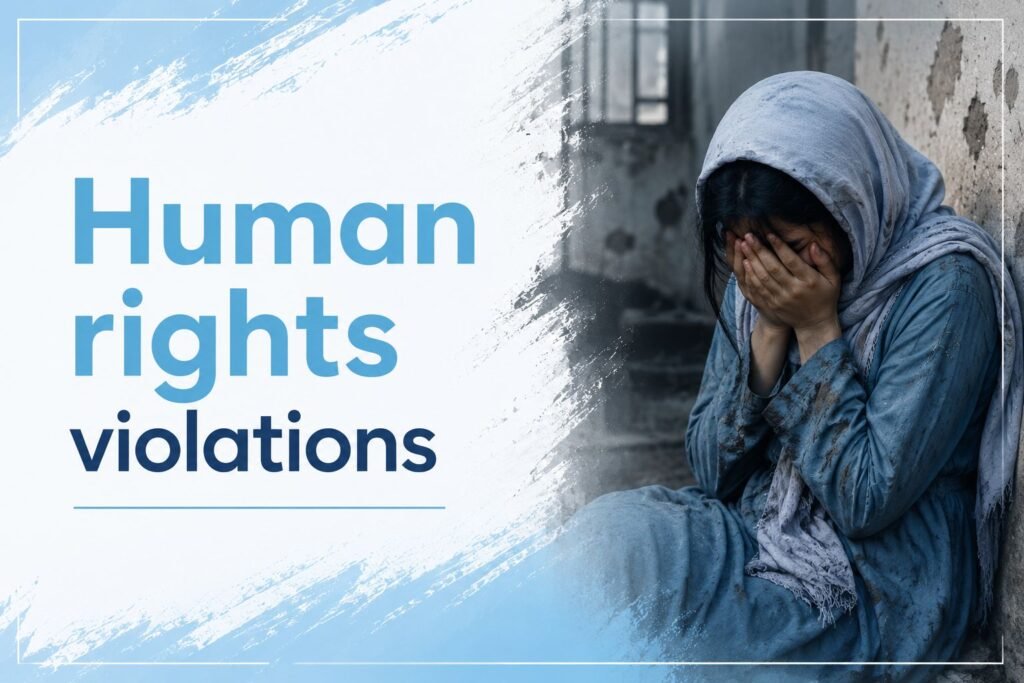
This initiative focused on the systematic documentation of human rights violations to ensure that evidence is preserved and can contribute to future accountability processes.
Activity Background!
Since 2021, our organization has been systematically engaged in the documentation and verification of human rights violations across Afghanistan, with a particular focus on gender-based violence, targeted killings, and abuses against vulnerable communities.
Between August 2021 and October 2025, we have documented a total of 120 verified cases of human rights violations. These cases have been collected through field-based reporting, secure communications with affected communities, and cross-verified testimony from multiple sources. All documented cases are registered and stored in the secure database of the Dialogue Hub for Common Ground for purposes of verification, analysis, and long-term accountability.
Out of these documented cases:
- 45 cases involve former security personnel and military officials who were subjected to torture, enforced disappearance, or extrajudicial killing following the change in political control.
- 39 cases involve women who have been arbitrarily detained, subjected to sexual violence, or killed, reflecting the systematic erosion of women’s rights and protections under the current environment.
- The remaining cases concern members of minority communities, primarily Ismaili and Shia populations, who have faced targeted discrimination, intimidation, arbitrary detention, and violations of their fundamental rights.
These documented cases represent only a fraction of the broader human rights situation in Afghanistan. Due to severe restrictions on freedom of expression, fear of retaliation, and limited access to independent monitoring mechanisms, many incidents remain unreported or underreported.
The documentation is continuously updated and securely maintained within the Dialogue Hub for Common Ground database to support evidence-based advocacy, international reporting, and future accountability and justice mechanisms.
Our organization remains committed to continuing this work in partnership with civil society actors, human rights defenders, and international accountability institutions.